

OLED vs. IPS Monitor: How to Choose?

Choosing the right monitor can significantly impact our computing and entertainment experience. In this article, we delve into the fascinating world of monitor technologies, focusing on the much-discussed IPS and OLED monitors. As we embark on this journey, we'll explore the intricacies of each technology and how it aligns with our needs and preferences.
Understanding IPS Technology
In-Plane Switching (IPS) technology has become synonymous with vibrant and accurate colors. Unlike traditional LCD displays, IPS panels offer wider viewing angles and improved color reproduction. These monitors are particularly popular among graphic designers and content creators who demand precise color representation.
Exploring OLED Displays
Organic Light Emitting Diode (OLED) technology takes a different approach by individually illuminating each pixel. This results in unparalleled contrast ratios and deep blacks, contributing to an immersive visual experience. OLED monitors are often praised for their thin profiles and flexibility, making them an attractive choice for various applications.
Comparing Picture Quality
When it comes to picture quality, the battle between IPS and OLED revolves around contrast ratio and color accuracy. IPS monitors offer excellent color reproduction but may struggle to achieve the same deep blacks as their OLED counterparts. Understanding the implications for gaming and multimedia experiences is crucial for making an informed decision.
Response Time and Refresh Rates
A monitor's responsiveness is a critical aspect, especially for gaming enthusiasts. IPS monitors have traditionally lagged in response time compared to OLED displays. However, advancements in IPS technology have narrowed this gap, making them suitable for fast-paced gaming scenarios. Our UPERFECT UGame K118 features a 2K resolution, high refresh rate, and 144Hz to ensure smoother picture quality, making the image extremely fluid. Providing users with a higher level of gaming experience is an indispensable choice for gamers. Refresh rates play a crucial role, influencing the fluidity of motion in dynamic content.
-
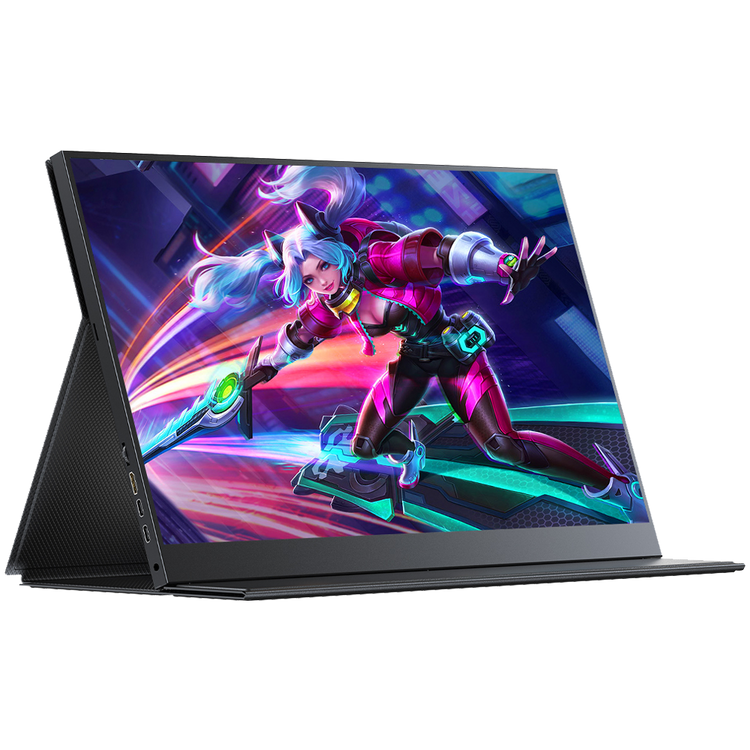 UPERFECT UGame K118 - 18 Inch 2K FreeSync Monitor 144Hz Gaming 1440PFrom €279.99
Screen Size: 18 inch
Resolution: 2560*1600 (2K)
Refresh Rate: 144 HzPanel Type: IPS
Display Ratio: 16:10
Viewing Angle: 178°
Gaming Considerations
Gamers often pay close attention to factors such as input lag and motion processing. IPS monitors with improved response times have become increasingly attractive to gamers. OLED monitors, on the other hand, excel in deep blacks and vibrant colors, enhancing the overall gaming experience. The choice ultimately depends on individual gaming preferences.
Viewing Angles and Screen Uniformity
One of the key advantages of IPS technology is its wide viewing angles. This makes IPS monitors ideal for collaborative work or entertainment setups involving multiple viewers. However, concerns about screen uniformity may arise, impacting overall visual consistency.
Power Consumption and Lifespan
Energy efficiency is a crucial aspect, especially for those conscious of power consumption. IPS monitors generally consume less power than OLED displays. Additionally, understanding the lifespan of each technology is vital for long-term investment planning.
Cost Analysis
The financial aspect often plays a pivotal role in monitor selection. While OLED monitors tend to have higher initial costs, the long-term value and affordability for different consumer segments need to be considered. Evaluating budget constraints and expected benefits is critical in making the right choice.
Screen Burn-in:
IPS: Resistant to burn-in, making them a safer option for users who display static images or use their monitors for extended periods.
OLED: prone to burn-in over time, especially when displaying static images continuously. Organic material can leave traces on the screen, but this can be mitigated by employing pixel-shifting technology. UPERFECT utilizes advanced technologies to mitigate this effect.
Compatibility with UPERFECT Monitors
For those considering UPERFECT monitors, compatibility is a key concern. Exploring the integration of IPS and OLED technologies into UPERFECT products provides insights into the seamless synergy between display technologies and brand-specific features.
User Experience and Preferences
Real-world experiences and user testimonials offer valuable insights into the day-to-day usage of monitors. Understanding the factors that influence individual preferences, such as work requirements, entertainment preferences, and aesthetic considerations, helps tailor the choice to personal needs.
Making an Informed Decision
As we conclude our exploration of IPS and OLED monitors, it's essential to summarize the key considerations. By assessing individual needs, prioritizing requirements, and weighing the pros and cons, users can make an informed decision that aligns with their unique preferences.
Conclusion
In the ever-evolving landscape of monitor technologies, the choice between IPS and OLED monitors hinges on personal preferences and specific use cases. Whether you prioritize color accuracy, gaming performance, or energy efficiency, understanding the nuances of each technology is crucial. Take the time to assess your needs, explore user experiences, and make a decision that ensures an enjoyable and tailored visual experience.
FAQs
Q1: Are OLED monitors suitable for professional graphic design work?
Yes, OLED monitors excel in graphic design, offering deep blacks and vibrant colors.
Q2: Can IPS monitors be used for gaming purposes?
Yes, modern IPS monitors with improved response times are suitable for gaming, providing a balance of color accuracy and responsiveness.
Q3: What is the average lifespan of an OLED monitor?
The average lifespan of an OLED monitor is around 100,000 hours, but factors like screen brightness can affect longevity.
Q4: Do UPERFECT monitors support both IPS and OLED technologies?
UPERFECT monitors are designed to support both IPS and OLED technologies, providing users with versatile options.
Q5: Are there any known issues with screen uniformity in IPS monitors?
Yes, some users may experience screen uniformity issues with certain IPS monitors, but advancements in technology are addressing these concerns.
Recommended Articles
- LCD vs. IPS Monitors: Which Monitor Panel Type Is Better?
- OLED vs. QLED, Which Is Better?
- Vertical Monitor Setup and Why You Should Need One?
- Why Does My Portable Monitor Show No Signal?
- How Do I Test the Brightness of an LCD Display?


Leave a comment