

8 tips for working from home during the pandemic

|
Table of Contents[Hide]
|
Balance the Schedule
Create a schedule and commit to it. Numerous employees who work from home believe that clear boundaries for when they should work or finish work help individuals maintain work-life balance. However, if the company provides it, flexibility is another significant benefit of WFH. To adapt to someone else's time zone, one may need to extend their day or start earlier. If you have done so, make sure to finish earlier than usual or get some extra rest the next day to compensate.
Be a Morning Person
It's one thing to sit down at your workstation and begin working at a specific time. Another step is to develop a pattern that gets you in the seat. A routine is more effective than a clock at getting you out of bed every morning. What part of your daily ritual indicates that you are about to start work? You might make a cup of coffee before starting your to-do checklist. It could be returning home from a workout or getting ready. Maintain a solid routine, such as brushing your teeth or returning from the supermarket. Mark anything that can serve as an indicator. This will allow you to integrate the new practice of beginning your workday.
Inform Your Family About Your Schedule
Establish ground rules with other household members or share your workspace. For example, if your children are at home learning or returning home from school while you are actively working, they will need clear guidelines about what they can and cannot do near you. If you share a workspace with another individual who has the same work-from-home routine, you may need to agree on quiet times, conference times, and everyday items such as chairs and tables.
Let Go of Hesitation
If you work for a company or organization that permits WFH, request the equipment you desire as soon as you begin working from home, or even within a few days of realizing you need something new. It's critical to establish early on that you will ask for what you need to do your job effectively. This equipment may include the appropriate screen, mouse, keyboard, desk, chair, inkjet printer, program, etc. Organizations accustomed to their employees working from home have a contingency for remote office supplies. Inquire about what it is and how frequently it is updated. It also doesn't hurt to inquire whether a loan agreement is in place or who is responsible for returning or removing obsolete equipment. Some remote firms offer their employees the option of consulting an expert to ensure their workstations are ergonomically designed.
Have a Dedicated Workspace
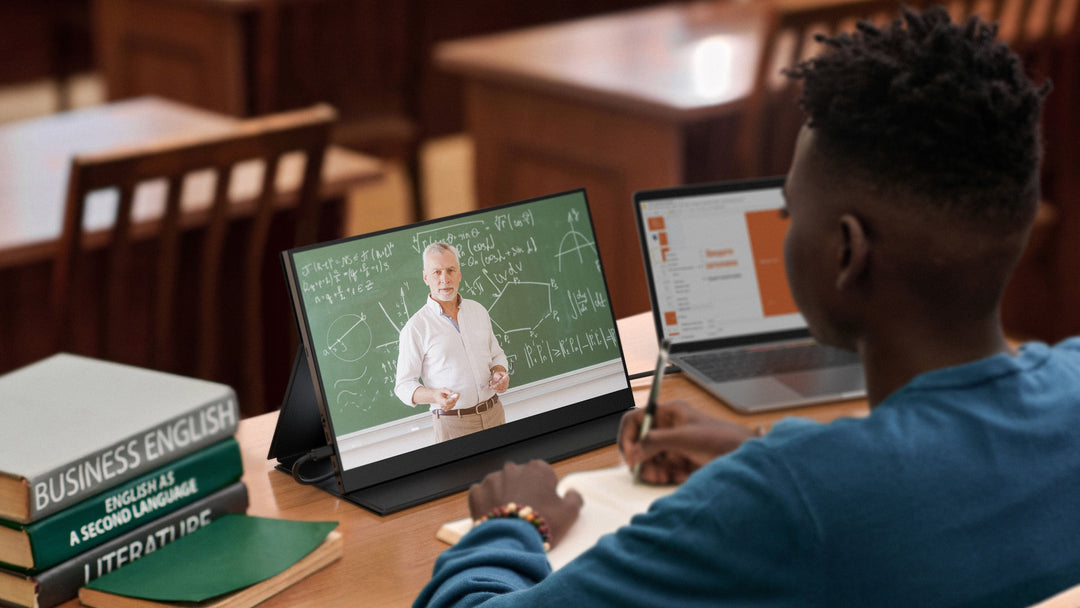
Ideally, remote employees would have not only a separate workspace but also two PCs. One for work and one for personal use. This is more secure for the employer, and it also allows you to keep all your NSFW activities private. However, not everyone has a spare room in their house to use as a workspace, and two computers are not always feasible. As an alternative, you can reserve a table or desk area as well as some accessories to be used only for work. It's your personal time when it's on your lap, and your work time when a computer is connected to a keyboard and monitor. You may want to partition your storage device and create a different user profile for your workspace. Another great tip is to have a portable monitor in your cat. They are also simple to maintain, take up minimal space, and eliminate the need for a dedicated backup system. In addition to their durability, they are also inexpensive, making portable monitors more accessible to a wider range of users. It can improve users' productivity, effectiveness, and output. They are incredibly cost-effective and reliable, fostering comprehensive service efficiency.
Socializing with Your Colleagues is a Must
Isolation, detachment, and alienation are widespread issues in WFH environments, particularly for extroverts. Companies with a remote work culture frequently offer opportunities for socializing. For example, they may establish channels in a workgroup messaging software such as Asana to discuss common interests or plan meetups for individuals in the same location. Determine how much interaction you require to feel connected and included. Even if you are incredibly introverted and have no desire to socialize, try a few exciting activities to become familiar with them in case you decide to have them in the future. If you do not work for a company that has a solid work-from-home culture, you may need to be more proactive in building connections.
Have a Separate Phone Number:
Create a mobile phone number that you use exclusively for interacting with coworkers and clients. It does not have to be a home or second cell phone, nor does it have to use a local SIM. It can be a VoIP provider such as Skype or Google Voice. As with some other suggestions, having a separate phone number can help you manage WFH credit.
Schedule Adequate Break Time:
If you work for a company, learn about its break policy and take advantage of it. If you are self-employed, allow yourself sufficient time during the day to step away from the keyboard and screen or phone. A lunch break and two 15-minute intervals appear to be the norm in the US for full-time employees. If you work on a computer or engage in any other sedentary activity, it is critical to get up and walk around every so often, at least once an hour. It also helps to take regular breaks from the screen, even if they are only 10 seconds long.





Leave a comment